Friday, September 14, 2012

a delicata morning


Our first delicatas never made it past the kitchen counter. My husband and I love winter squashes and look forward to them each year. In our travels in Europe we have found that colorful seasonal squashes like acorn, butternut and delicata are just beginning to find a place on the table. The stores are just filled with them around this time each year but people use them as seasonal decorations and can't imagine that they are edible. I like to think that my darling mother-in-law really fell in love with me, the new loudish, quirky, American bride, when I cooked her centerpiece. She didn't know that those squashes were edible and I didn't know that they were part of the decor. So I say fill a bowl with your share of colorful squash. They are a feast for the eyes and soul as well as the tummy. And they are just too practical, as natural in savory dishes as in sweet. There are so many lovely recipes for stuffed roasted squash and I really should try one someday but during the Autumn and Winter the container of roasted squash puree in my refrigerator is as ubiquitous as hummus or jam. I just slice, scrape out the seeds and roast in a baking dish with about a cup of water poured into the bottom until the squash is tender enough to be scraped from the skins. From there it may be stirred into a pot of tomato soup for extra richness. I frequently replace a cup or so of cheddar cheese with an equal amount of roast squash in macaroni and cheese. That macaroni, let me tell you, is greedily gobbled down by a three and a half year old who will   remove bits of squash with surgical precision from a plate of risotto.
I hope you can enjoy the simple spicy squash muffins I baked just this morning.  A cup of squash puree to one lightly beaten egg, three quarters of a cup of milk, a table spoon of oil, two heaped tablespoons of wheat bran, one third a cup of sugar, a shake of nutmeg, a sprinkle of clove and a dousing of ground cinnamon, one and a half cups of flour and a teaspoon of baking powder and a half teaspoon of baking soda. Into a buttered muffin pan, top lightly sprinkled with crunchy sparkles of raw sugar and off to a 400 degree oven for about ten minutes.    I pulled those fragrant, fluffy beauties from the oven this morning right as my husband was rushing frantic out the door and as a trio of riotous little ones played hide and seek. But when the plate of warm muffins, cups of milk and coffee and a dish of butter made it to the table for a small handful of precious moments there was nothing but the sounds of quiet, satisfied chewing. I may have never come across a magic pumpkin but this, certainly, is the magic of winter squash.

Wednesday, September 5, 2012

behold the parsnip


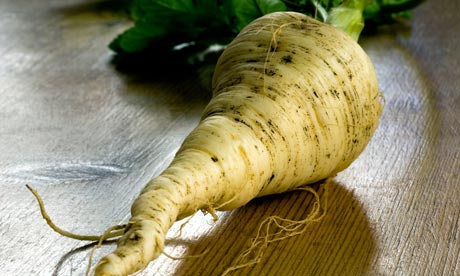
I do love a good parsnip, such a herald of fall, such a carroty crispness. Even the name parsnip is just so peppy. I find that a little extra pep is a good thing as summer sizzles to an end. So, welcome parsnips. I've been waiting. I got my greatest exposure to this humble root veggie while teaching in the Czech Republic, a country so renown for craft beer that I rarely hear it referenced in regard to cooking. Which is a shame really. I had more than my fair share of rich, lovingly prepared meals all over the country. And if there were ever a people who embraced the parsnip whole heartedly it would be the Czechs. There were just piles of them at every market I shopped. I ate them fried and funneled into paper cones like french fries, roasted alongside pork and mushrooms and creamed with potatoes and celery root. I bought a bottle of homemade wine at a little family run deli on the side of the highway one evening on the way to a dinner party expecting a rough sherry-ish concoction. When the host pulled the cork before dinner he inhaled deeply at the neck of the open bottle and his face softened into a dreamy wistfulness. It was a bottle of parsnip wine, something he had made with his grandmother and grandfather every fall of his childhood.  The wine was unlike anything I'd had. A bit sweet from the natural sugars in parsnips but deeply earthy and mineral. I wished I had bought more.
I'm no wine maker and It is unlikely that I will have another chance to sip a glass of parsnip wine but that is okay so long as the parsnips keep coming I will be ready with a recipe for savory parsnip strudle.
Just peel and slice about a pound of parsnips into rounds. In a heavy bottomed skillet slowly caramelize the parsnips and two large sliced onions in a bit of butter until soft and golden, adding salt and black pepper to taste. Transfer the vegetables to a baking dish and dot everything with about four ounces of fresh goat cheese. In a separate bowl combine a generous pinch of salt  half a stick of ice cold butter, a teaspoon of dried or fresh thyme and a cupful of whole grain flour. Use your hands to squeeze and blend the mixture until you have a bowlful of buttery herb-scented crumb topping. Sprinkle over the parsnips and onions and bake in a 350 degree oven four about thirty minutes until everything is golden and bubbly. This and a simple green salad is lovely to find on an early autumn supper table.

Wednesday, August 22, 2012

how fresh corn can save your life


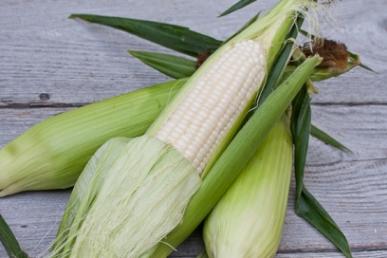
If only  every summer were just a long strand of hot, sunshiny days filled with watermelon, tomatoes and butterflies. Certainly, some summers are. I've been lucky enough to stockpile a number of seemingly endless, easy summers. This has not been that summer. This has been the summer of the persistant chest cold, reoccurring strep throat, serious emotional growing pains from my three and a half year old (who has taken to standing outside the bathroom door while I shower banging endlessly and shouting like a tiny Stanley Kowalski "Mamaaaa Maaaaaaaamaaaaa!") Admittedly, this is a pregnancy summer and while it is wonderful quietly waiting, watching this new baby grow, a lot of time that could have been better spent hiking, swimming in the river and eating on the porch has been devoted to resting a puny Mama. Blue skied, beach tripping, golden Summer has unspooled without me. So it was a gift, a blessing in the purest form when silky, green husked ears of sweet golden and silver queen corn started arriving in our weekly CSA share. Even with my immune system on vacation I would not miss the opportunity to sit on the porch and shuck ear after perfectly squeaking fresh ear of corn with my little one while my husband mows the grass. I tried to soak up every minute of it. And when all that corn was shucked and brushed clean of its silk I carried it inside and roasted it. Spread the rows of blistered kernels with fresh goat cheese, squeezed over the juice of a lime and sprinkled it all with a dusting of spicy, smokey cayenne pepper. Summer had found me at last.  

Saturday, August 11, 2012

the goodness of greens

It has been an eventful week in our kitchen processing all of that beautiful food that is flowing in from the garden and our CSA share. With temperatures as high as they have been it has gotten a bit hot over the stove and I caught myself letting go of a bit of a sigh of relief when those bags of lovely heart shaped leaves started turing up. For me sweet potato greens are on of the first signs of fall coming on. Will I miss summer? I always do but I welcome Autumn with a happy heart and a pot full of sweet potato greens.
Sweet potato greens are mild and tender. I think I've heard Trisha describe them as summer spinach which is a good way to think about them. They are packed with nutrition and especially good raw in smoothies or in salads with a sharp citrusy dressing. That actually sounds good right now. Tossed in at the very end of cooking a pot of rice or couscous makes a nice quick side dish. But as light and delicate as sweet potato greens are they stand up beautifully in a braise with say  caramelized onion and garlic, pork chops and sliced sweet apples. A flavorful one pot meal to welcome Autumn, just not right away.

Wednesday, August 1, 2012

brace yourself for cutting celery

I had my first encounter with cutting celery only about two years ago during my tenure as a cook in Innisfree's community kitchen. Trisha brought us, picture this, wheelbarrow load after wheelbarrow load of this delicate leafy celery. The harvest was astounding and as a gathering of extended community members approached, we cooks wracked our brain about how to best showcase our abundance of cutting celery. A cream of celery soup was decided upon which sounded, admittedly, kind of bland. Good thing we were wrong. The soup was a huge hit and is always in the back of my mind when the cutting celery begins turning up in my weekly share. All you need to know is that this in not your grocery store celery. The flavor is pungent, fresh and bracing and it stands up beautifully to a long, slow simmer in a bath of rich flavors. Make some for a rainy day and save some for your freezer. One night in December you will come home damp, chilled to the bone and pleased to find a comforting meal ready to warm on the stove without any added effort.
Wash and roughly chop a large head of celery, including the leaves, a large sweet onion, three cloves of garlic and the tender parts of two leeks. Brown the veggies in three tablespoons of butter over a low flame in a heavy bottomed pot. Add a large pinch of salt to help the aromatics render and deglaze the bottom of the pot with about two cups of dry white wine.
When the celery and onion mixture is tender and slightly browned add two quarts of flavorful stock to the pot along with six gold potatoes, peeled and quartered. Bring the pot to a gentle boil and cooking the potatoes through and reducing the stock by about a quarter.
Remove the soup pot from the heat. Using either an immersion blender or a potato masher blend the potatoes into the soup until thickened. Add to this crushed red and black pepper to taste, a handful of fresh chopped parsley and a  heaped teaspoon of finely tarragon, a generous slosh of heavy whipping cream (do yourself a favor and do not skip the cream it is absolutely worth it) and a couple handfuls of grated parmesan. This recipe is as good as it sounds and begs only for a loaf of rustic, grainy bread and a tableful of hungry people to enjoy it together. My freezer will be full of it before the first snowflakes fall.

Thursday, July 26, 2012

white wonder tomatoes


Ahhh, yes. Another tomato post. But, I imagine that entire odes have been written upon first taste of a white wonder tomato. Friends,  I hope you have been lucky enough to receive a few of these excellent tomatoes in your share since the tomatoes started coming on strong. The color is unique and beautiful, of course, but the flavor is truly rich and outstanding. Plenty of sugar, plenty of acid, they do not last long in my kitchen  Pale yellow and cream colored tomatoes are often piled up en masse at the grocery store around this time each year and I have, admittedly, paid good money for them. Alas, a grocery store tomato is a grocery store tomato no matter how pretty. I promise myself that the next white wonder to grace my kitchen will not be eaten out of hand like an apple, but prepared simply and with deep reverence.  Sliced, peppered, salted and stacked high on rough, white bread spread with ripe avocado. We'll probably add a few crisp leaves of lettuce and a couple strips of  bacon hot from the pan. A perfect summer meal.

Friday, July 20, 2012

cherokee purples... summer's jewels


I have never given a different answer to the question, what's your favorite food? Since I began chewing the answer has always been tomatoes. I am a resolute and unapologetic tomato snob. I will pass up a free massage, an hour alone with a good book and a crisp hundred dollar bill for a perfectly un-messed-around-with tomato sandwich. There is nothing better. Toasted white bread. Mayo. Freshly plucked, sliced tomatoes. Salt and pepper. If I had to pick only one food to eat forever and ever, the tomato sandwich would be that food without question. But had better be stuffed with fat, juicy slices of cherokee purples. They are rich, meaty, sweet and little bit briny to the taste. A real tomato eater's tomato. There have been days, recently in fact, when a tomato sandwich made with ripe cherokee purples has been on my plate at every meal. My three year old can easily pick out the few lopsided, crinkled, deeply burnished fruits from our weekly share and set them aside calling them, Mama's tomatoes.  If you ask me, he's gifted.

Thursday, July 19, 2012

tomatillos


Something mysterious and divine happens when you toss a few tomatillos with salt and oil and charr them in a blisteringly hot oven. Those hard, tart little green globes emerge from the heat unctuous, silky smooth inside, sweet and begging to be smashed up with a bit of onion, chile, lime, garlic and avocado. There is a little Mexican restaurant in Houston that serves that with huge, sweet gulf shrimp as a cocktail appetizer. From here to Houston is about 1,300 miles but I could see making the drive for that. We could  also just stay here and make it in our own kitchens and serve it over fajitas. At my house we like to stake out a cool spot on the front porch and just scoop it up with chips and wash it all down with a nice cold beer full of lime wedges. That mysterious flavor we're picking up in those tomatillos may be the taste of summertime. 

eggplant has a special place in my heart


I am seriously lucky in many ways not the least of which is my being the mother of a child who begs for eggplant. Lucky for him I seem to be on a one woman mission to cook every imaginable eggplant recipe before I die. I'm about halfway there, I think. Eggplant has an unfairly earned reputation for being difficult to prepare but I find that the huge payoff in yumminess far and away outweighs what little if any extra prep eggplant requires of me. And it does not have to require ANY extra steps at all. Two of my favorite ways to cook eggplant could not be simpler. The first being whole baked eggplant. Just wrap the eggplants in foil, yeah, just like a potato and bake at 400 for about thirty minutes or until tender. Open up the foil and split length wise making a little pocket to fill with a dribble of olive oil, salt and pepper, chopped raw tomato and cucumber and crumbled feta. I could eat that right now. My most favorite, favorite, favorite eggplant recipe is even easier. I slice the tops off the eggplants and then slice them again length wise and make deep slashes in the cut sides. I stuff the slits with whole peeled garlic cloves, rub on a good bit of olive oil, salt and pepper to taste and arrange an a baking sheet and bake at 400 until tender and beginning to caramelize. Then buzz everything in the food processor with a good squeeze of lemon, a glug of olive oil and a handful of parsley. This can be served and eaten as you would hummus or the more complicated baba ghanouj (also completely delicious). Or use it as a pizza sauce as you would tomato sauce or pesto. I suspect that my roasted potato pizza with goat cheese and eggplant sauce played a significant role in my husband's decision to propose. He says no but.... he did ask me in the kitchen with two of those eggplant pizzas cooling on the stove. I may very well I owe much of my happiness to eggplant one way or another.

Sunday, July 15, 2012

my beloved okra


Sneaky, sneaky okra. You have so many people stumped. I have heard more that a handful of unkind words used to describe okra, slimy, gooey, runny. Usually, I believe, from people who have suffered the misfortune of eating badly cooked okra. I grew up eating okra as most people from the Deep South do and there is not a person in my family who will turn down a plate of okra. Lucky me. Let's begin with a better understanding of okra. It is the tender green or burgundy seed pod of an edible hibiscus relative and quite a beautiful flowering plat as well. When it was first cultivated by whites in the Americas it was grown purely as an ornemental (the same is true at one point in history or another for potatoes, blueberries, tomatoes, celery and pumpkins. What were these people eating?) Okra is widely eaten through out India, South East Asia, and Africa. It is a plant that loves heat and can thrive in imperfect soil. As a child okra was in everyone's garden, growing up through the hard, rocky, red clay soil and the long, dry Texas summer. It can be dipped  in an egg wash and  dredged in seasoned flour and cornmeal and fried up for one, but I love it stewed in a fragrant bath of onion, garlic and tomatoes and a good slug of vinegar. Saute a chopped onion and two minced cloves of garlic until just tender and add to the pan sliced okra, about three cups of crushed tomatoes, fresh or canned, salt and pepper to taste, about a cup of water and a good slug of vinegar. Let that simmer on a low flame for about twenty minutes or until everything is tender and the flavors have all come together.  As they say in my home state, this is some very good eating.

Sungold cherry tomatoes


I defy anyone to produce a single un-messed-with bite of anything on earth half as delicious as a single sungold tomato. It just cannot be done. This is a bit of a silly post and not one about cooking at all as I have never in all my life actually cooked a sungold. The only way I've ever eaten them is directly off the plant or shortly there after and I am just fine with that even though I'm sure that any way you fix them will be a revelation. Alice Waters of Chez Panisse, the famous Berkeley, California eatery has recipes for a sungold cherry tomato martini, a sungold tart and a savory sungold French toast. Yow! I may be missing out. But, I'll never know. And I doubt anyone struggles in the kitchen with what to do with all their sungolds. They are a gift from the Earth and the Sun and the beautiful, dirty faced gardeners tending to them. They best way to honor the work that produces such a gorgeous crop of sungold tomatoes them is to eat every last delicious one just the way you like best.   

purple viking potato


My first taste of the garden's potato crop could not have come in a more beautiful package. Purple and pink streaked skin opening up onto pearly white flesh. Do I eat them or were them as jewelry? Eat them, of course. They were the first things to go. And I can take no credit for any kind of recipe or cooking either. I boiled them in the skins until the were just tender to the knife drained them and bashed them around in a deep sauce pan with salt, pepper, a few sliced green onions and an alarming amount of brown butter. I beat them up till a few skins broke open and let them go all crisp and golden in that fragrant, oniony brown butter and that was all. My husband is from Germany and will not tolerate an inferior potato. He was deeply pleased with this batch. So was I. When the commercial potato is one of the most genetically modified foods on the market, I feel so grateful to be able to set a plate of good, pure and delicious food down in front of my family. It is a gift to be simple.  

Fennel


This week there was a single petite fennel on the very top of my veggie share and I was glad to see it. I do love a complex vegetable. The bulb is crisp and crunchy giving a whiff of clean, cool celery and the fronds are perfumey and sweet-savory, tasting of anise and green vegetal spice. I love it, obviously but I only came to know of it in college. There is typically not much call for fennel in traditional Texas home cooking but, never mind. My first recollection of fennel is one of scent. I minored in Italian in school and my most memorable instructor, Professore Gaudelini, of the big hazel eyes and curly dark hair  wore a fennel scented cologne. Naturally, female attendance was high. Later in college while traveling in France one summer I found that fragrance again in vegetable form growing in gardens and wild along the side of the road and on the table during many meals. I ate fennel once in a memorable soup of creamed white beans, wine and garlic. It was delicious. On another trip to France around Christmastime my husband and I stopped inside the door of a tiny shop that sold only the juices of fresh fruits and vegetables which the shopkeeper bottled on site for each customer. I watched as he fed small, tart green apples, fennel  and grapefruits into his machine and the frothy golden juice bubbled out. I think I told my husband that it was time for us to move to France after that. If anyone has a juicer at home I would love to know what that juice tastes like, it smelled amazing. What did I do with my little share fennel? I cut the fronds off and hung them to dry planning to use them later when canning up pizza and spaghetti sauce. Because that mysterious delicate aroma wafting up from the best red sauce you've ever eaten was probably fennel, it just makes all those familiar flavors newer and more intense. With the bulb I whipped up a quick green gazpacho. A chopped cucumber or two, a clove of garlic, the chopped fennel, salt, pepper, icy cold butter milk or yogurt and an avocado buzzed in the blender until smooth.  Delicious. Also an elegant component of a light summer meal and a great way to show off some local ingredients. I have served this in a frozen wide mouth pint jar topped with sliced cherry tomatoes. I freeze the spoons too and just forget about the ice. It is seriously flavorful and refreshing. And.... if you're felling extra inspired, infuse a batch of simple syrup with a small handful of fresh fennel fronds. Let it steep for about thirty minutes in the sugar syrup and then strain it into a pitcher of lemon juice and ice water. Stir and you've made fennel scented lemonade. Can't get more summery than that.  

Thursday, July 12, 2012

Summer squashes sweet and savory


Ahhh... lovely tender summer squashes. The perfect answer to, What else should I put in this pasta, this casserole, this omelette? Summer squash, of course. It is mild, versatile and copiously abundant in the summertime. But abundance can present a new challenge... Zucchini and summer squash have been known to inspire a kind of guerrilla vegetable hit and run bombing. During the height of summer neighbors are delighted by the first basket or two of squash left anonymously on the porch. But by the time that fifth basket turns up a kindly gardner may find the front gate locked. So what to do with all that squash? Simply, eat it up. And fairly quickly owing to its delicate nature. It doesn't freeze well at all and while I hear that it dehydrates beautifully in a low oven, I can't be bothered and I can't fathom where I would store all that put by squash. By the end of tomato season my shelves are full. So we'll eat it up simply, grilled or sautéed and quickly with a lovely ginger dipping sauce. Make it up by whisking together  a small, finely grated onion, one clove of minced garlic,  a tablespoon of grated ginger, the juice of one lemon, half a cup of tamari, one teaspoon of sugar, one teaspoon of white or rice wine vinegar and a tablespoon of ketchup (the ketchup only sounds gross). I can live on this stuff. A single batch will probably last a couple of meals and this sauce goes beautifully on just about every vegetable I can think of. Knock yourself out.
 But when you have made dinner and washed the dishes and find that you have barely made a dent in your weekly squash share do the following: Grate up about two squashes and squeeze out some of the water. Add that grated squash and the juice and zest of one large lemon to a thick batter made up of one cup of brown sugar beaten into a stick of butter until fluffy, two eggs, a cup of polenta, two cups of self rising flour, a tablespoon of vanilla and a half teaspoon of salt. Drop  rounded tablespoons of the mixture onto a buttered sheet pan and bake at 350 for eight to ten minutes. Now you have a large, beautiful batch of lemon-polenta squash cookies (they are a charmingly old-fashioned Italian summer snack with a beautiful name I cannot remember). I am sure that no neighbor would lock the garden gate on someone bearing a plate of these beauties.

Magic beans


There is a reason why beans feature so prominently in fairytales. They are profound and elemental... plant a bean in the ground, give it sun and rain and what do you get.... more beans. They are also a fairly early crop to be so very rich in flavor and nutrition. They could be eaten fresh off the plant or dried for winter storage. In many languages beans are referred to as poor man's beef. The mythology is lovely and deserved and as I prepare a meal of beans I like to remember the thousands of years of cultures who ate simply and lived close to the earth not by choice but as a means of survival and ritual. I  find very little need to embellish something as pure as a batch of green beans. We like a quick simple saute of green beans in butter with a clove of crushed garlic. A sprinkle of coarse salt, a few flecks of crushed red pepper and a squeeze of lime juice at the very end. The eating and talk of magic beans around the dinner table is lovely but the half hour spent on the porch with my little one sharing a glass of ice tea and quietly snapping beans together is truly magical.

Cabbages and the magic of sauerkraut


Well hello there summer. We can forgive the soaring temperatures, biting, stinging bugs and the ivy poisoning (well, almost) since you've come bearing the gift of good eating. The long days of summer are such a time of abundance and good flavor but I some days I find myself agonized at the thought of standing over a hot stove. But all this food!!!! It needs to be eaten, processed, put by.... My better judgement can be relentless. Sometimes we need to forgive ourselves and in the meantime stock up on a good stable of hot weather recipes that do not require cooking. Lacto-fermented Sauerkraut is one of my best. Start by draining about 3/4 a cup of whey from a batch of yogurt and set that aside. Shred a large head of cabbage, any variety is just fine, a large head will yield 8 to 10 cups of cabbage. Place the cabbage in a bowl large enough to accomodate a dinner plate. Add to the cabbage on finely sliced onion and two shredded carrots. Toss everything together until well combined in the bowl and sprinkle over two heaped tablespoons of salt and a grind or two of pepper. Now, go find a three year old, give him a potato masher and tell him to pound away. He will do this FOREVER so you can go put your feet up but you might want to lay a towel down first. After a good pounding the salted veggies will have given up quite a bit of liquid.This is when I add other flavoring agents, a little red pepper, a bit of sugar. You can really get creative sampling as you go to get an idea of what your finished kraut will taste like.Once you're set on the ingredients pour over the drained whey a tablespoon of raw vinegar and enough water to cover the baby kraut completely. Drop in a dinner plate to keep the veggies submerged and cover with a clean kitchen towel. Place your bowl in a cool spot in the kitchen out of direct sunlight or if counter space is limited in your kitchen you can put the bowl of ferment somewhere else out of the way like say a high shelf in a coat closet. As long as you PROMISE not to forget about it and leave the country for a few weeks. But even if you do.... this is the kind of mistake I tend to make once. Check up on the bowl every other day to make sure that everything is still covered with the fermenting liquid and add a bit more water if needed. Magically in about three to four days you have your own batch of traditional lacto-fermented sauerkraut. Keep in in the fridge for about two weeks, not that it will go uneaten for that long. Sauerkraut also freezes beautifully and thaws with all of its active cultures alive and kicking.  This is definitely one of those foods that once you make and eat your own you will never buy it again.

Wednesday, June 13, 2012

Broccoli rabe


Broccoli rabe is probably a new vegetable to just a handful of us but that stuff they're passing off as broccoli rabe in the grocery store is a pale, sad version of what turned up in our shares this week. Spicy, slightly bitter broccoli rabe is beloved across the Mediterranean and in China and is thought to be more closely related to an herbaceous wild turnip that found in Northern Italy than to broccoli. And the Italians have certainly taken a shine to it and leaned how to cook it up over the past thousand or so years. They really know what they're doing so I don't really stray too far from their formula: smashed garlic + broccoli rabe + red pepper flakes + olive oil + smoking hot pan + salt = deliciousness. I ask you, why bother? But I did feel proud this weekend when I took it all to a new level and stocked my freezer to boot. I threw a single sausage link in with the smashed garlic and broke it up against the sides of the pan and let that cook down until brown and crisp, then I threw in the broccoli rabe and let that all saute together for about ten minutes. When It was coolish I coarsely chopped everything up and folded it all into a batch of black pepper parmesan scones which are almost too simple to deserve a recipe but that never seems to stop me... three cups of self rising flour, cut in a whole stick of cold unsalted butter (just don't look while you're doing it and tell yourself that you're only going to eat one), one egg, a cup of butter milk, a teaspoon of freshly ground black pepper and a heaping cup of coarsely shredded parmesan. I quickly folded in my broccoli rabe mixture, no over mixing here, and dropped big spoonfuls of the dough on a buttered baking pan and let them bake at 375 for thirty minutes. We did eat a couple piping hot from the over but it was really satisfying to wrap them up and pack them away in the freezer. They are like a little insurance policy against some cold, deep December evening when all I can scare up for supper are bowls of tomato soup. Made from tomatoes I hope to be canning in a few weeks. Is it worth it to go to the trouble of prepping and sauteing a bunch of greens just to bake them into scones for the freezer? I believe so. And I think on that on the cold night that those scones make it to my supper table a little bunch of greens will have become a part of something sacred.

Leafy little lettuces


I adore leaf lettuce. Salad mix. Spring mix. Whatever you want to call it. After a grey winter what I crave is a huge plateful of those delicate little leaves. They are such a tonic to the body and the spirit. I hope our gardeners can feel it in their souls when a collective CSA member sigh of pleasure goes up and out into the universe upon opening up our beautiful stash of veggies each week. There, right on top are those bulging bags of salad greens peppered with golden yellow calendula blossoms. Ahhhh... My favorite salad at the moment is a basically a big plate of greens sprinkled with calendula petals, crisp wheels of cool cucumber, toasted walnuts, finely sliced spring onion, a handful of mulberries all drizzled over with THE springtime dressing. Let's dedicate this recipe to the loving, dirty hands that bring us this gorgeous food each week and call it Garden Goodness dressing. Into your food processor or blender put one large ripe avocado, four tablespoons of yogurt or buttermilk, a couple gratings of parmesan cheese, salt and pepper to taste, a couple sprigs of dill and parsley and buzz away. Happy Salad Days.